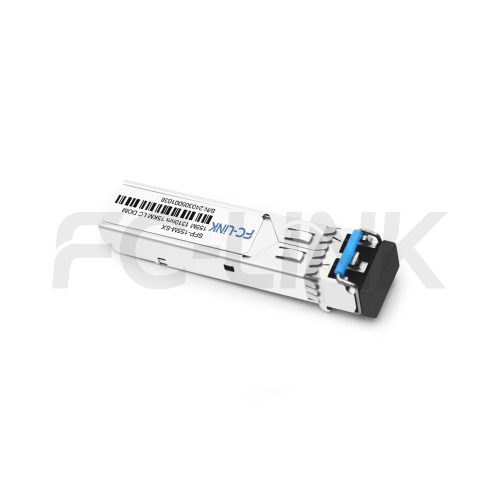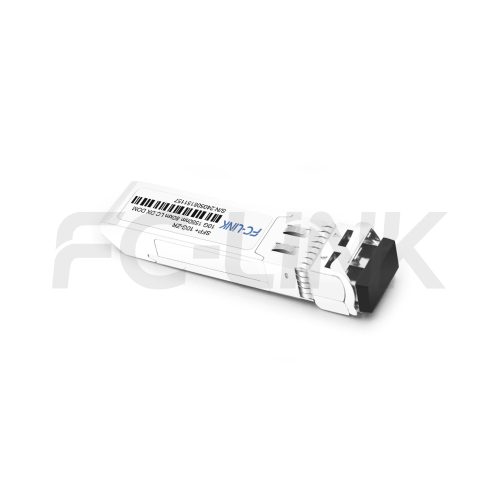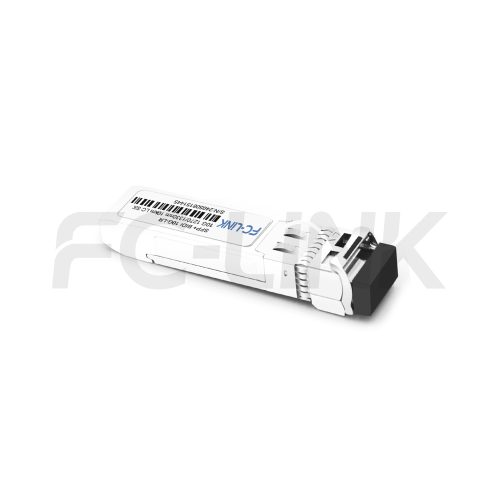
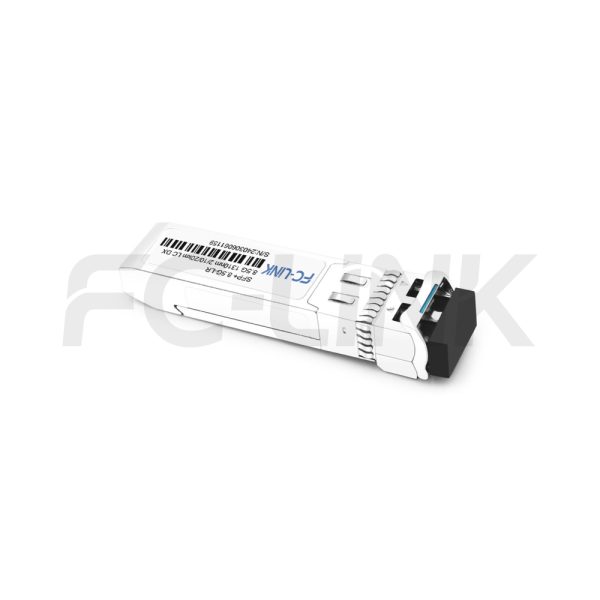
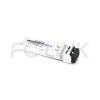
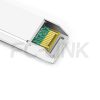
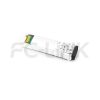
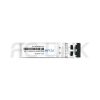
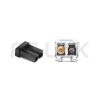


8.5G SFP+ Transceiver for 2km/10km/20km SMF Links, 1310nm Duplex LC
SFP+8.5-13-2(LRL)/10(LR)/20(ELR)-LCD
- Broad Multi-Brand Compatibility
- Flexible Customization Support
- Tested for Reliable Performance
- Fast Response & Delivery
- Professional Technical Support
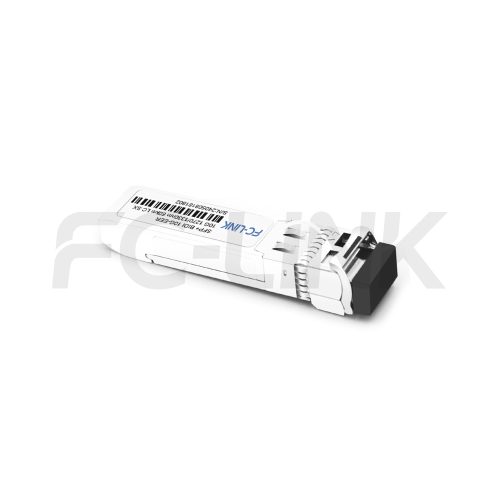
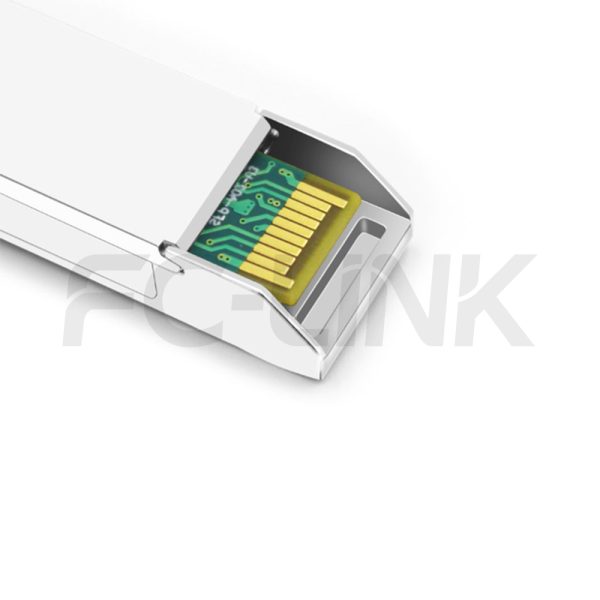
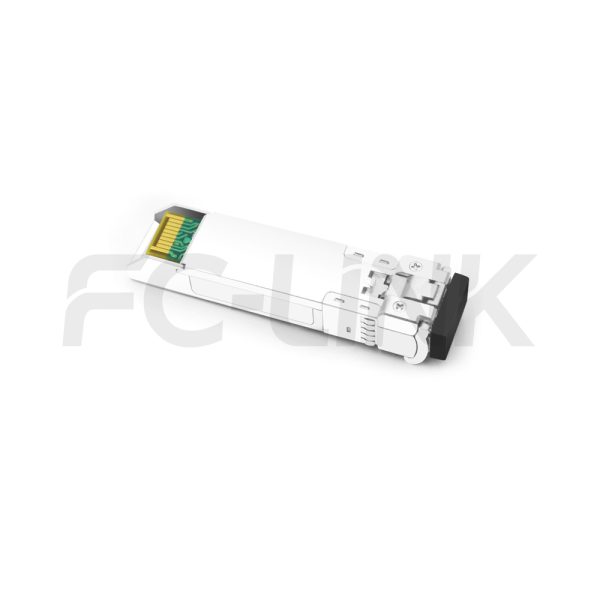
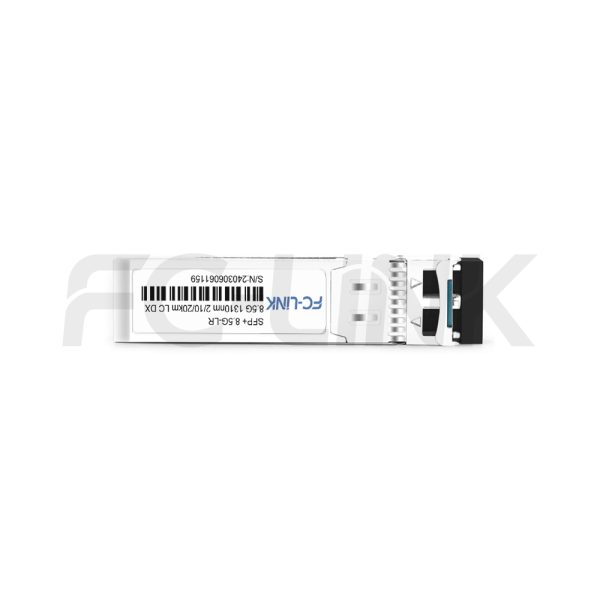
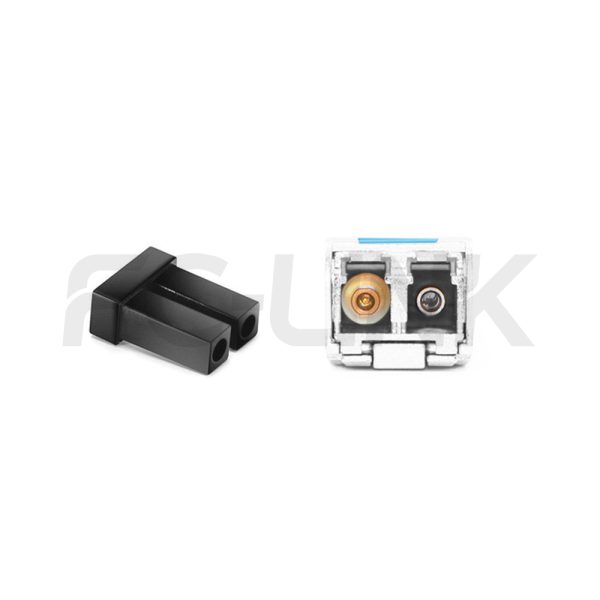
The FC-LINK SFP+ 8.5G 1310nm 1.4/10/20km LC DX single mode transceiver is a compact, pluggable module designed for high-speed optical data communication. Featuring an SFP+ 20-pin connector, it supports hot plug capability. This module is optimized for single-mode fiber and operates at a nominal wavelength of 1310nm. The transmitter incorporates a 1310nm multiple quantum well FP laser, complying with Class 1 laser safety standards as per IEC-60825. The receiver utilizes an integrated InGaAs detector preamplifier (IDP) within the optical header, paired with a limiting post-amplifier IC for enhanced signal processing.

| SPECIFICATIONS | |||
|---|---|---|---|
| Product Model | SFP+8.5-13-1.4(LRL)/10(LR)/20(ELR)-LCD | Manufacturer Brand | FC-LINK |
| Package Type | SFP+ | Optical Connector | Duplex LC |
| Max Data Rate | 8.5Gbps | Channel Data Rate | 8.5Gbps |
| Effective transmission distance | 1.4km,10km,20km | ||
| Wavelength | 1310nm | Operating Voltage | 3.3V |
| Fiber Type | SMF | Core Size | 9/125µm |
| Transmitter Type | FP-LD,DFB | Receiver Type | IDP |
| TX Power | -8.2~0.5dBm,-4~0dBm | Receiver Sensitivity | -14dBm,-15dBm |
| Digital Diagnostic Monitoring(DDM) | YES | Receiver Overload | 0.5dBm |
| Power Consumption | <1.0W | Protocols | MSA SFP+ SFF-8431 |
| Operating temperature(Commercial) | 0℃~+70℃ | Storage Temperature(Commercial) | -40℃~+85℃ |
| Operating temperature(Industrial) | -40℃~+85℃ | Storage Temperature(Industrial) | -40℃~+85℃ |

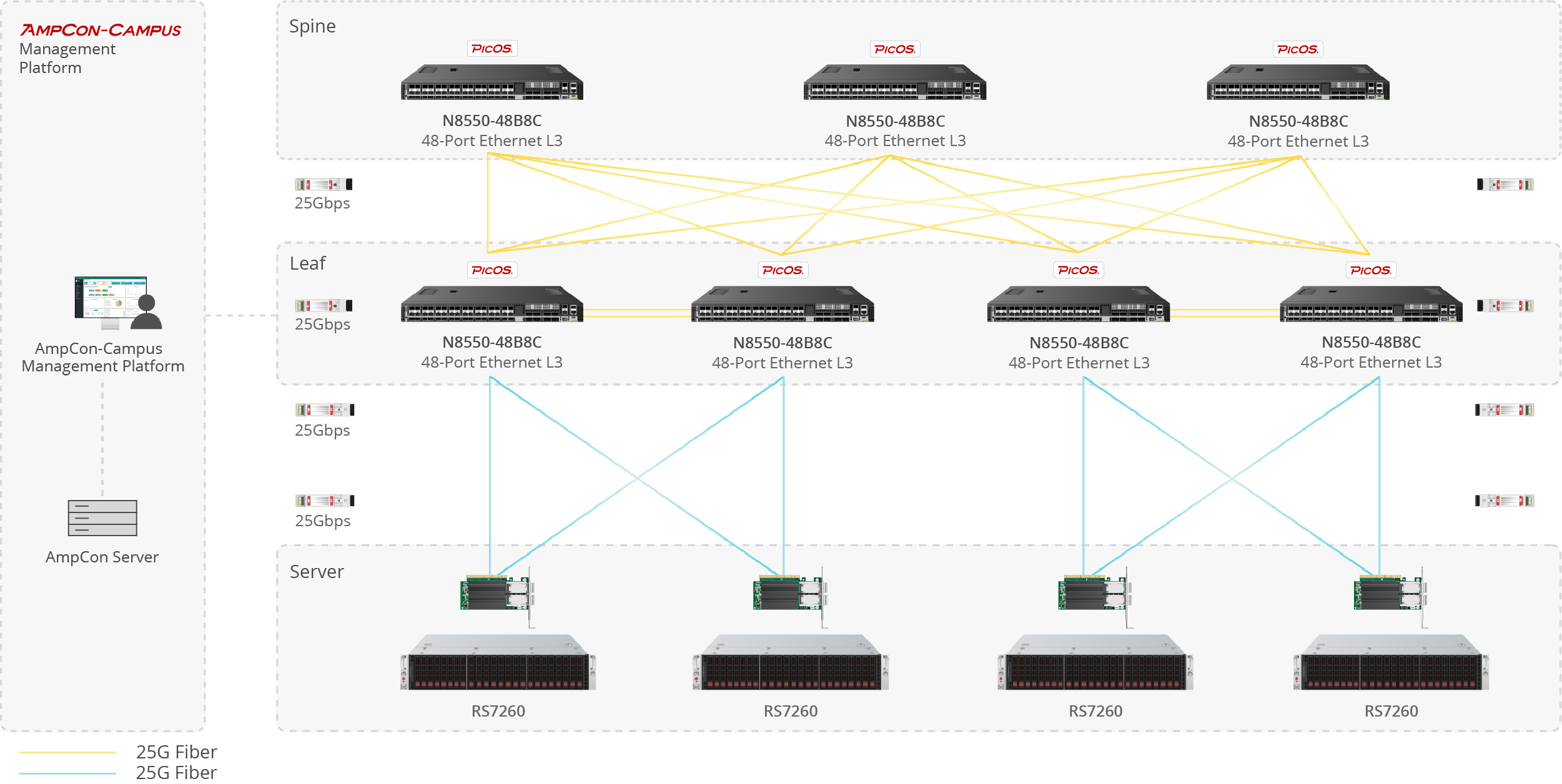
Server-to-Switch Data Center Links
Used for 10G/25G/100G optical uplinks between servers and top-of-rack switches in high-density data center deployments.

Building-to-Building Campus Backbone
Suitable for 1G/10G fiber links between office buildings, campus distribution rooms, and backbone aggregation points.

Access-to-Core Enterprise Uplinks
Designed for switch uplinks from access to aggregation or core layers in enterprise and campus network architectures.

Industrial Switching in Harsh Environments
Applied in industrial Ethernet, automation systems, and outdoor cabinets where wider temperature tolerance and stable fiber communication are required.
| Absolute Maximum Ratings | |||||||||
| Parameter | Symbol | Min. | Max. | Unit | |||||
| Storage temperature | TS | -40 | +85 | °C | |||||
| Supply voltage | VCC | -0.5 | 3.6 | V | |||||
| Input voltage | Vin | -0.5 | Vcc | V | |||||
| Output current | Io | - | 50 | mA | |||||
| Recommended Operating Environment | |||||||||
| Parameter | Symbol | Min. | Typical | Max. | Unit | ||||
| Operating case temperature |
Tc | SFP+8.5-13-2(LRL)/10(LR)/20(ELR)-LCD | 0 | - | 70 | °C | |||
| -40 | - | 85 | |||||||
| Power supply voltage | VCC | 3.15 | 3.3 | 3.45 | V | ||||
| Power supply current | ICC | - | - | 300 | mA | ||||
| Surge current | ISurge | - | - | 30 | mA | ||||
| Performance Specifications – Electrical | |||||||||
| Parameter | Symbol | Min. | Typ. | Max | Unit | Notes | |||
| Transmitter | |||||||||
| CML Inputs(Differential) | Vin | 150 | - | 1200 | mVpp | AC coupled inputs | |||
| Input AC common mode voltage | 0 | - | 25 | mV | RMS | ||||
| Input impedance(Differential) | Zin | 85 | 100 | 115 | ohm | Rin > 100 kohms @ DC | |||
| Differential Input S-parameter | SDD 11 | - | - | -10 | dB | - | |||
| Differential to common mode conversion | SCD 11 | - | - | -10 | dB | - | |||
| Tx_DISABLE input voltage–high | - | 2.0 | - | Vcc+0.3 | V | - | |||
| Tx_DISABLE input voltage–low | - | 0 | - | 0.8 | V | - | |||
| Tx_FAULT output voltage–high | - | 2.0 | - | Vcc | V | Io = 400µA; Host Vcc | |||
| Tx_FAULT output voltage–low | - | - | - | 0.5 | V | Io = -4.0mA | |||
| Receiver | |||||||||
| CML outputs (Differential) | Vout | 350 | - | 700 | mVpp | AC coupled outputs | |||
| Mode voltage | - | 0 | - | 15 | mV | RMS | |||
| Output impedance (Differential) | Zout | 90 | 100 | 110 | ohm | - | |||
| Differential output S-parameter | SD22 | - | - | - 10 | dB | - | |||
| Rx_LOS output voltage–high | - | 2.0 | - | Vcc+0.3 | V | lo = 400µA; Host Vcc | |||
| Rx_LOS output voltage–low | - | 0 | - | 0.8 | V | lo = -4.0mA | |||
| MOD_DEF ( 2:0 ) | VoH | 2.5 | - | - | V | With serial ID | |||
| VoL | 0 | - | 0.5 | V | |||||
| Performance Specifications–Optical | ||||||||||||
| Parameter | Symbol | Unit | (SFP+ 8.5G 1310nm 1.4km LC DX) | (SFP+ 8.5G 1310nm 10km LC DX) | (SFP+ 8.5G 1310nm 20km LC DX) | |||||||
| Min. | Typical | Max. | Min. | Typical | Max. | Min. | Typical | Max. | ||||
| 9µm core diameter SMF supported distance | - | km | - | 1.4 | - | - | - | 10 | - | - | 20 | |
| Data Rate | - | Gbps | 0.614 | - | 8.5 | 0.614 | - | 8.5 | 0.614 | - | 8.5 | |
| Transmitter | ||||||||||||
| Centre wavelength | λC | nm | 1260 | 1310 | 1355 | 1270 | 1310 | 1355 | 1270 | 1310 | 1355 | |
| Spectral width | Δλ | nm | - | - | - | - | - | 1 | - | - | 1 | |
| Side mode suppression ratio | SMSR | dB | - | - | 3 | 30 | - | - | 30 | - | - | |
| Average output power | Pout | dBm | -8.2 | - | 0.5 | -8.2 | - | +0.5 | -4 | - | 0 | |
| Extinction ratio | ER | dB | 3.5 | - | - | 3.5 | - | - | 3.5 | - | - | |
| Transmitter dispersion penalty | TDP | dB | - | 5.2 | - | - | - | - | - | - | ||
| Input differential impedance | ZIN | Ω | 90 | 100 | 110 | - | - | - | - | - | - | |
| Average power of OFF transmitter | Poff | dBm | - | - | 10 | - | - | -30 | - | - | -30 | |
| TX disable assert time | t_off | us | - | - | 1 | - | - | 10 | - | - | 10 | |
| TX_DISABLE negate time | t_on | ms | 10 | - | - | - | - | 1 | - | - | 1 | |
| TX_BISABLE time to start reset | t_reset | us | - | - | 300 | 10 | - | - | 10 | - | - | |
| Time to initialize, include reset of TX_FAULT | t_init | ms | - | - | 100 | - | - | 300 | - | - | 300 | |
| TX_FAULT from fault to assertion | t_fault | us | - | - | - | - | - | 100 | - | - | 100 | |
| Total Jitter | TJ | UI(p-p) | - | - | - | - | - | 0.28 | - | - | 0.28 | |
| Data dependant jitter | DDJ | UI(p-p) | - | - | - | - | - | 0.1 | - | - | 0.1 | |
| Uncorrelated jitter | UJ | RMS | - | - | - | - | - | 0.023 | - | - | 0.023 | |
| Receiver | ||||||||||||
| Centre wavelength | λ | nm | 1260 | - | 1565 | 1260 | - | 1565 | 1260 | - | 1565 | |
| Sensitivity | Pmin | dBm | - | - | -14 | - | -15 | - | - | -15 | ||
| Receiver overload | Pmax | dBm | 0.5 | - | - | 0.5 | - | - | 0.5 | - | - | |
| Optical return loss | ORL | dB | - | - | -12 | - | - | -12 | - | - | -12 | |
| LOS De-Assert | LOSD | dBm | - | - | -16 | - | - | -17 | - | - | -17 | |
| LOS Assert | LOSA | dBm | -28 | - | - | -29 | - | - | -29 | - | - | |
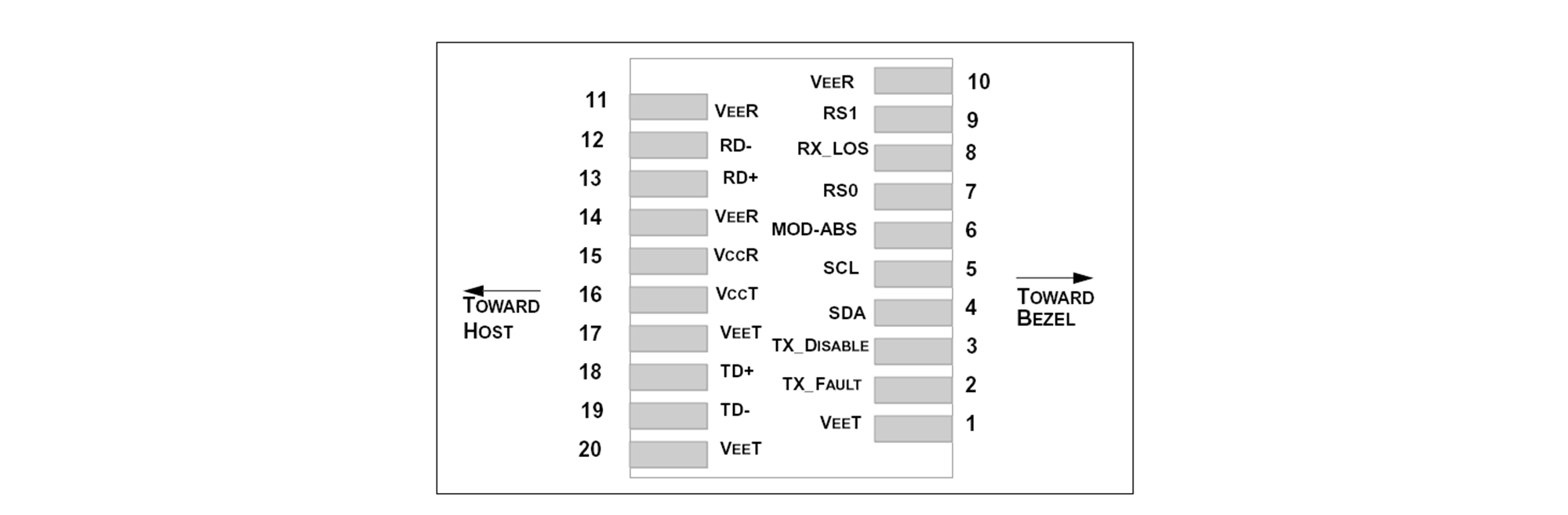
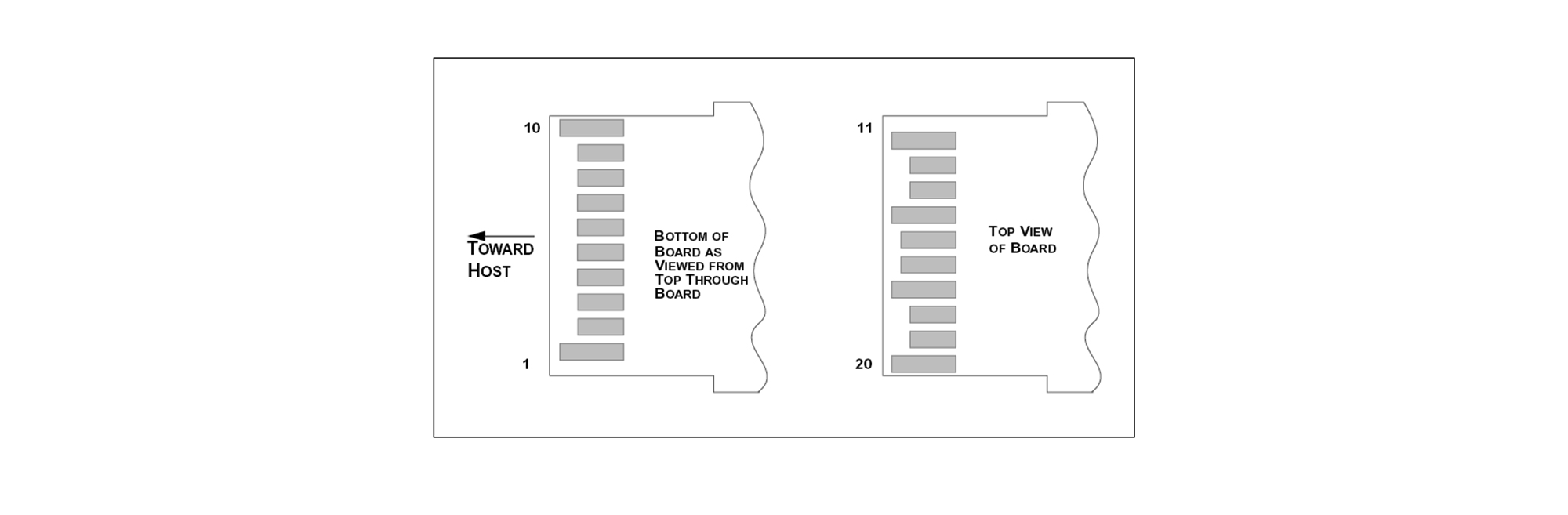
| SFP+ TRANSCEIVER ELECTRICAL PAD LAYOUT |
| PIN FUNCTION DEFINITIONS | |||||||||
| Pin | Name | Function | Plug Seq. | Notes | |||||
| 1 | VeeT | Transmitter ground | 1 | Note 5 | |||||
| 2 | TX Fault | Transmitter fault indication | 3 | Note 1 | |||||
| 3 | TX Disable | Transmitter disable | 3 | Note 2, Module disables on high or open | |||||
| 4 | SDA | Module definition 2 | 3 | Data line for serial ID. | |||||
| 5 | SCL | Module definition 1 | 3 | Clock line for serial ID. | |||||
| 6 | MOD-ABS | Module definition 0 | 3 | Note 3 | |||||
| 7 | RS0 | RX rate select (LVTTL). | 3 | No function implement.. | |||||
| 8 | LOS | Loss of signal | 3 | Note 4 | |||||
| 9 | RS1 | TX rate select (LVTTL). | 1 | No function implement.. | |||||
| 10 | VeeR | Receiver ground | 1 | Note 5 | |||||
| 11 | VeeR | Receiver ground | 1 | Note 5 | |||||
| 12 | RD- | Inv. Received data out | 3 | Note 6 | |||||
| 13 | RD+ | Received data out | 3 | Note 6 | |||||
| 14 | VeeR | Receiver ground | 1 | Note 5 | |||||
| 15 | VccR | Receiver power | 2 | 3.3V ± 5%, Note 7 | |||||
| 16 | VccT | Transmitter power | 2 | 3.3V ± 5%, Note 7 | |||||
| 17 | VeeT | Transmitter ground | 1 | Note 5 | |||||
| 18 | TD+ | Transmit data in | 3 | Note 8 | |||||
| 19 | TD- | Inv. Transmit data in | 3 | Note 8 | |||||
| 20 | VeeT | Transmitter ground | 1 | Note 5 | |||||
| Notes: 1) TX Fault is an open collector/drain output, which should be pulled up with a 4.7K–10KΩ resistor on the host board. Pull up voltage between 2.0V and VccT/R+0.3V. When high, output indicates alaser fault of some kind. Low indicates normal operation. In the low state, the output will be pulled to < 0.8V. 2) TX disable is an input that is used to shut down the transmitter optical output. It is pulled up within the module with a 4.7K – 10 KΩ resistor. Its states are: Low (0 – 0.8V): Transmitter on (>0.8, < 2.0V): Undefined High (2.0 – 3.465V): Transmitter Disabled Open: Transmitter Disabled 3) Module Absent, connected to VeeT or VeeR in the module. 4) LOS (Loss of Signal) is an open collector/drain output, which should be pulled up with a 4.7K–10KΩ resistor. Pull up voltage between 2.0V and VccT/R+0.3V. When high, this output indicates the received optical power is below the worst-case receiver sensitivity (as defined by the standard in use). Low indicates normal operation. In the low state, the output will be pulled to < 0.8V. 5) VeeR and VeeT may be internally connected within the SFP+ module. 6) RD-/+: These are the differential receiver outputs. They are AC coupled 100Ω differential lines which should be terminated with 100Ω (differential) at the user SERDES. The AC coupling is done inside the module and is thus not required on the host board. 7) VccR and VccT are the receiver and transmitter power supplies. They are defined as 3.3V ±5% at the SFP+ connector pin. Maximum supply current is 300mA. Inductors with DC resistance of less than 1 ohm should be used in order to maintain the required voltage at the SFP+ input pin with 3.3V supply voltage. When the recommended supply-filtering network is used, hot plugging of the SFP+ transceiver module will result in an inrush current of no more than 30mA greater than the steady state value. VccR and VccT may be internally connected within the SFP+ transceiver module. 8) TD-/+: These are the differential transmitter inputs. They are AC-coupled, differential lines with 100Ω differential termination inside the module. The AC coupling is done inside the module and is thus not required on the host board. 9) Rate select can also be set through the 2-wire bus in accordance with SFF-8472 v. 10.13. Rx Rate Select is set at Bit 3, Byte 110, Address A2h. Tx Rate Select is set at Bit 3, Byte 118, Address A2h. Writing a “1” selects maximum bandwidth operation. Rate select is the logic OR of the input state of Rate Select Pin and 2-wire bus. |
|||||||||

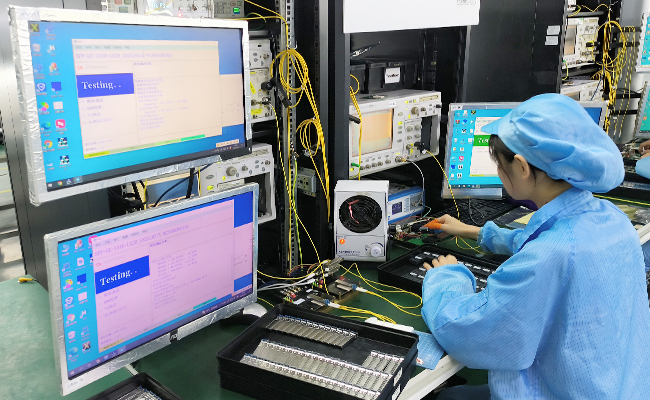
Performance Testing
Each module is tested before shipment to help ensure stable optical and electrical performance.
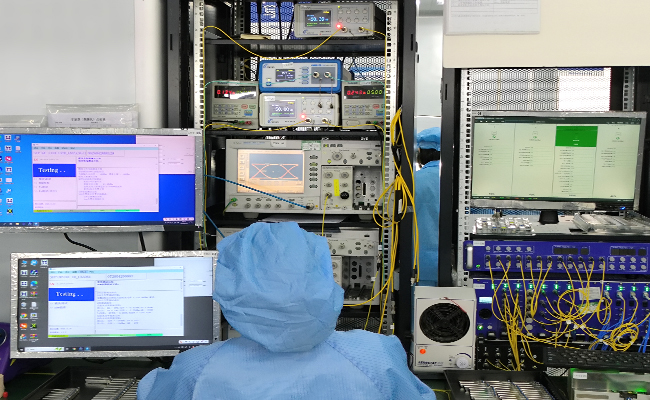
Compatibility Verification
Compatibility validation is available for major switch and router platforms.
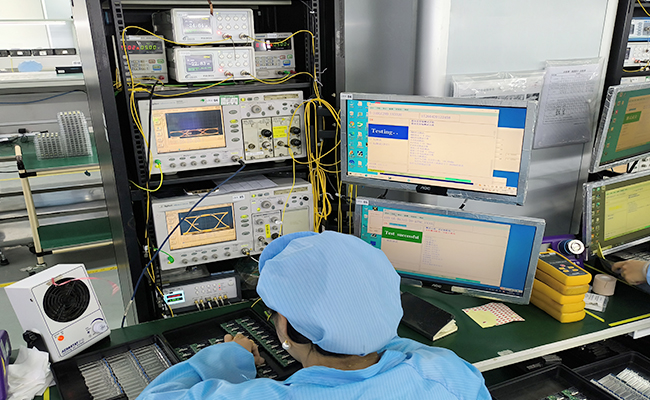
Reliability Screening
Selected products support aging, temperature cycle, and stability testing for demanding applications.
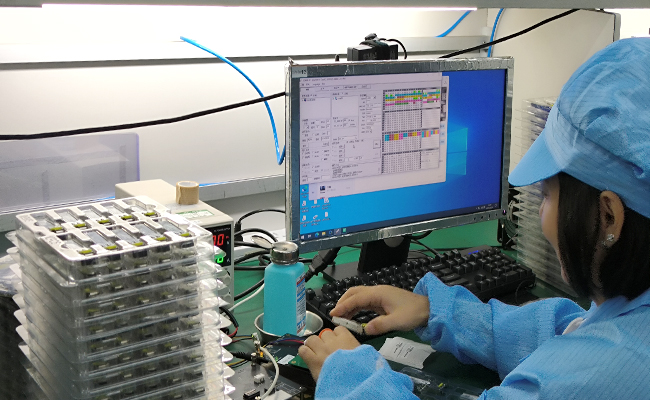
Traceable Quality Control
Inspection and production records support more consistent quality control and batch traceability.